Table Of Content
- Which vitamin deficiencies cause hair loss?
- Ketosis Approved Foods
- function recaptchaOnloadCallback()
- © 2024 Harvard Health Publishing® of The President and Fellows of Harvard College
- Looking For More of the Sunshine Vitamin? How to Safely Get Vitamin D from the Sun
- One of Vitamin D’s Lesser Known Uses Could Be Healthier Hair

If hair loss is caused by a lack of vitamin D, supplementation with vitamin D3 may promote hair regrowth and stimulate hair follicle proliferation. Some dietary supplements contain vitamin D2, a synthetic and less potent form of vitamin D. To get the most effective vitamin D supplement, choose products made with vitamin D3, the same powerful form produced in the skin in response to sun exposure. Vitamin D research has shown that certain levels may help reduce the risks of respiratory infections.
Which vitamin deficiencies cause hair loss?
In most cases, a balanced diet will supply a healthy amount of vitamin A [14]. The recommended dietary allowance of vitamin A for adults aged ≥ 19 years is 1300 mcg/day (4300 IU [international units]) for U.S. populations. While there is no upper intake level for provitamin A carotenoids, ingestion of very high levels of preformed vitamin A can be toxic. For adults aged ≥ 19 years, the tolerable upper intake level of preformed vitamin A is 10,000 IU [13].
Best vitamins for hair growth: Vitamin D, B complex, biotin, and more - Medical News Today
Best vitamins for hair growth: Vitamin D, B complex, biotin, and more.
Posted: Fri, 14 Feb 2020 12:10:14 GMT [source]
Ketosis Approved Foods
To prevent health problems, eat more iron-packed food such as red meat, pork, poultry, beans, seafood. If you are on a vegetarian diet, you can substitute non-vegan products with other foods high in iron such as lentils, cashew nuts, dried apricots, and figs. You can also enrich your diet with products full of zinc doses such as shellfish, beans, meat, nuts, and seeds.
Nine tell-tale signs you have common deficiency – from hair loss to aching muscles - The Mirror
Nine tell-tale signs you have common deficiency – from hair loss to aching muscles.
Posted: Sun, 03 Sep 2023 07:00:00 GMT [source]
function recaptchaOnloadCallback()
Ensuring that one’s vitamin D intake is suitable will help to promote the effectiveness of any treatments for hair loss which a person undergoes 29 and will help to prevent further hair loss. The development or worsening of skeletal disorders ‒ such as osteoporosis in adults and rickets in children ‒ are therefore often linked to vitamin D deficiency. So even if you're not experiencing hair loss, it's worth checking your nutrient levels and finding simple ways to up your intake. In the 1930s, the United States began to fortify whole milk with vitamin D in an effort to eradicate bone issues in young children due to severe vitamin D deficiency.
Vitamin D plays a significant role in supporting the physical processes related to hair growth, and it’s more directly involved in the development of keratinocytes. The daily recommended dietary allowance for Vitamin D varies by gender, age, and condition (4). While in some cases, hair regrowth can occur within two months; it can take up to six months of supplementation to see noticeable improvements in hair growth. The most reliable way to determine your vitamin D status is by performing a simple blood test to measure serum vitamin D levels. Most clinical laboratories offer vitamin D screening tests, and convenient at-home tests are available in most pharmacies.
Symptoms of iron deficiency
Vitamin E provides photoprotection, reducing UV damage to skin and hair. Lastly, the B-complex vitamins, especially biotin, are fundamental in energy and amino acid metabolism, supporting the keratin infrastructure that underlies hair and skin integrity. Fortified foods such as milk, orange juice, and cereals provide dietary sources of vitamin D. When prescribed by a healthcare professional, vitamin D supplementation can correct a deficiency for those unable to attain sufficient levels through sunlight and diet alone. In addition, vitamin D is a crucial nutrient for balanced immune responses, and low vitamin D levels can increase the risk of autoimmune hair disorders, including alopecia areata. This condition is characterized by inflamed and damaged hair follicles, resulting in partial or complete loss of body hair.
© 2024 Harvard Health Publishing® of The President and Fellows of Harvard College
In 2006, an investigative study described gene expression specific to the bulge region of the hair follicle [116]. St. Pierre et al. [93] reviewed the literature for the function of genes that may be affected by fluctuating iron levels. The genes CDC2, NDRG1, ALAD, and RRM2 are upregulated in the bulge region and can be regulated by iron. The genes Decorin and DCT are downregulated in the bulge region and can also be regulated by iron. The authors hypothesized that iron deficiency might change the normal progression of the hair cycle. However, whether these six genes play a role in iron-dependent processes in the hair follicle remains to be elucidated.
Any further treatment will depend on your overall health and if you have related conditions. It's important to report all symptoms to a healthcare provider so they can determine the next steps to rule out or confirm the diagnosis. This article discusses vitamin D deficiency symptoms, how to find out if you're deficient, and why some people are asymptomatic (have no symptoms). Talk to your healthcare provider if you’re concerned about getting enough vitamin D.
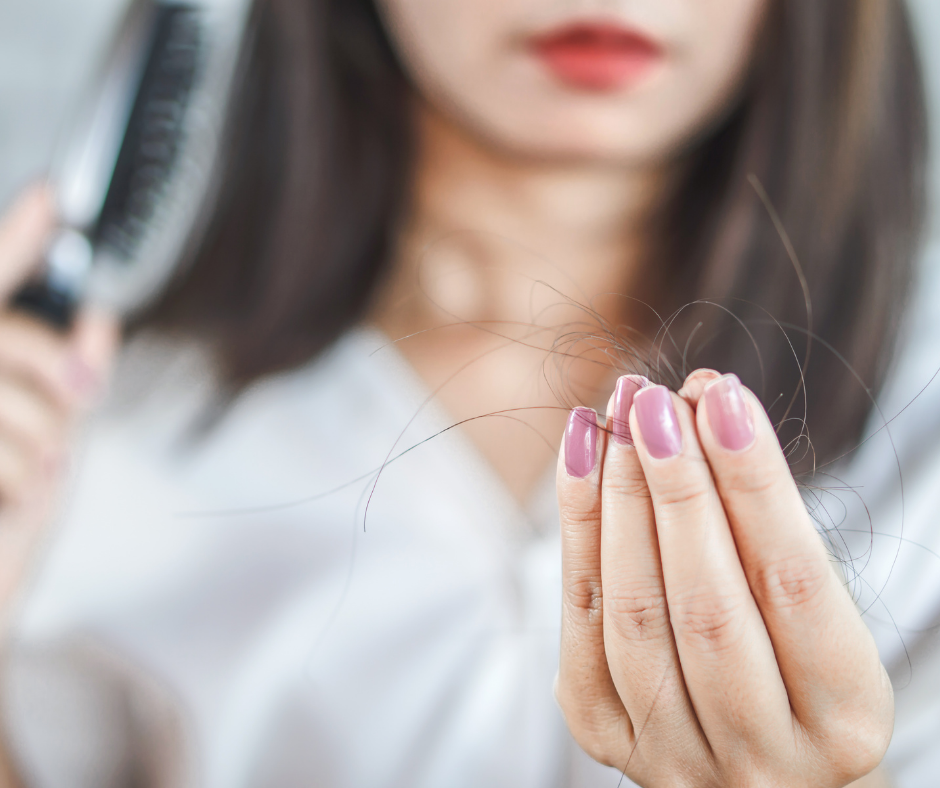
One of Vitamin D’s Lesser Known Uses Could Be Healthier Hair
Each follicle contains sebaceous glands that secrete oils to nourish hair and produce antimicrobial substances to protect the scalp from bacterial infections. That said, further studies are needed to determine whether supplementing with this vitamin helps prevent weight gain. A 2020 study in adults found a possible link between low vitamin D status and both belly fat and increased weight, although these effects were more pronounced in males. The vitamin D receptor is present in nerve cells called nociceptors, which sense pain. This vitamin may also be involved in your body’s pain signaling pathways, which may play a role in chronic pain.
Many people make the mistake of thinking Minoxidil will work for everybody—but that couldn't be further from the truth. As mentioned, vitamin D is known to contribute to the proliferation of keratinocytes. One way in which it is known to do so is by its induction of keratinocyte growth factor. Older adults and breastfed infants are the two populations with the highest risk factors (12). A healthcare provider may recommend other therapies, depending on your diagnosis and overall health.
While vitamin D complex is essential for optimal development of bones and teeth and resistance to diseases, it is directly linked to hair loss too. Researches have shown that the lack of vitamin D causes hair loss and slows down hair growth cycle. Various clinical signs manifest zinc deficiency, which is characterized by hair loss, impaired immune function, and delayed wound healing.
Optimising your vitamin D intake is key for maintaining healthy hair follicle cycling. While there are some food sources that help you get some of this vitamin, in some cases, this might not be enough. The Recommended Dietary Allowances (RDAs) for vitamin D are 15 micrograms (600 international units) daily for people 19 to 50 years old, and adults over 70 should aim for 20 micrograms (800 IU).
Having a vitamin D deficiency makes people more likely to experience hair loss and many other problems. Sure, the deficiency of this element can be the reason for hair falling out, as all cells of our body require vitamin A for growth. To avoid the lack of vitamin A, include sweet potato, pumpkins, spinach in your menu. If you are taking vitamin C because you heard it enhances iron absorption, keep in mind that vitamin C deficiency is rare in the United States.
Adhering to recommended dietary allowances is vital, as excessive intake can lead to adverse effects. Foods rich in beta-carotene, such as carrots, sweet potatoes, and leafy greens, are excellent sources. Moreover, maintaining a balanced diet with sufficient vitamin C can enhance the absorption of vitamin A, as vitamin C deficiency might impair this process. Given the potential for toxicity with excessive intake, a cautious approach to supplementation is recommended.
In children, vitamin D deficiency can cause rickets, a condition involving the weakening and softening of the bones. In adults, the equivalent to rickets is known as osteomalacia (soft bones). Vitamin D deficiency can be caused by failing to gain sufficient amounts of vitamin D from one's diet, leading to insufficient levels in the body overall. It depends on the type of alopecia you have and the amount of SULT1A1 activity on your scalp. If you don't have genetic alopecia or enough SULT1A1 activity, Minoxidil won't work for you.
It is unclear if selenium plays a role in this disease; therefore, supplementation with this mineral is not recommended. Multivitamins typically include only 400 IU of vitamin D, which is below the recommended daily allowance. Your doctor can check blood levels of vitamin D and decide the dose of supplementation.


No comments:
Post a Comment